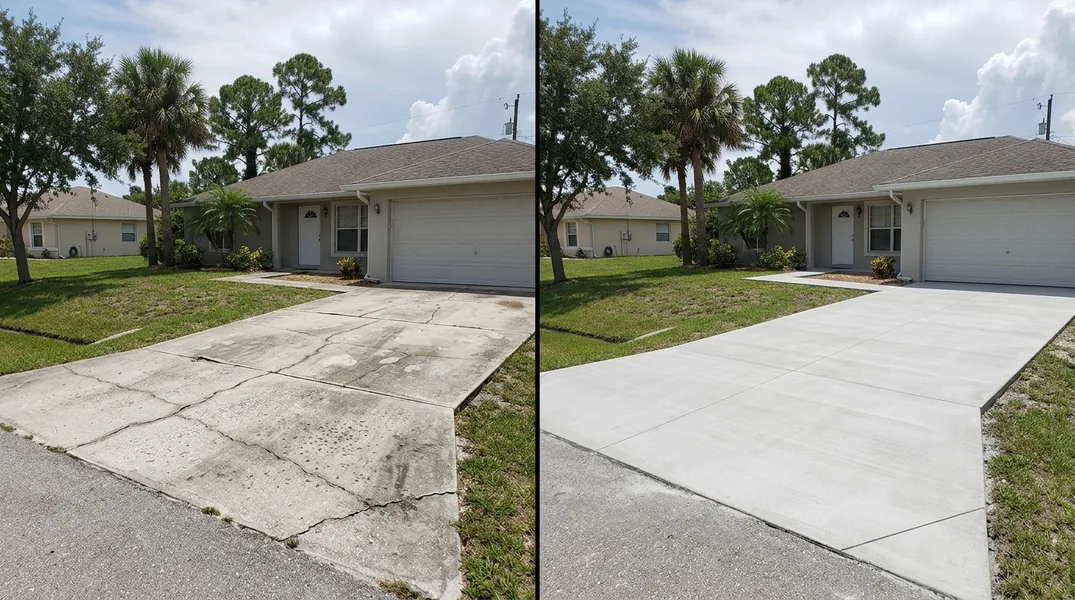
Understanding Port Saint Lucie's Climate and Concrete Pouring
Timing is everything when it comes to pouring concrete in Port Saint Lucie. The tropical climate of South Florida presents unique challenges that can either work in your favor or against your project, depending on when you schedule your work. Unlike northern states where winter freezing is the primary concern, Port Saint Lucie homeowners must contend with intense heat, high humidity, and seasonal rainfall that directly impact concrete curing and long-term durability.
When you're planning Concrete Driveways or any major concrete project, understanding how local weather patterns affect the curing process is essential. Concrete doesn't simply harden overnight. It undergoes a chemical reaction called hydration that requires specific conditions to reach its full strength and longevity. Temperature fluctuations, moisture levels, and direct sunlight all play critical roles in this process. By choosing the right season and working with an experienced Port Saint Lucie concrete contractor, you can ensure your investment lasts for decades.
The Dry Season: Your Best Window for Concrete Work
The dry season concrete Port Saint Lucie professionals recommend spans from November through April, and for good reason. During these months, rainfall is significantly lower, humidity levels are more manageable, and temperatures are more moderate compared to the scorching summer heat. This window provides the ideal conditions for concrete to cure properly without the interference of excessive moisture or extreme temperatures that can compromise the final product.
Why is the dry season so important for concrete curing heat and rain management? When it rains shortly after pouring, water can weep from the concrete surface, bringing cement and fine particles with it. This process, called leeching, weakens the surface and can create a chalky, dusty finish that's prone to scaling and deterioration. Additionally, the dry season's lower humidity allows moisture in the concrete to evaporate at a controlled rate, which is crucial for achieving proper strength development. If you're considering a major project like Concrete Patios or driveway installation, scheduling during November through April gives you the best chance of success and the longest-lasting results.
Summer Challenges: Why Late May Through October Requires Extra Caution
Summer in South Florida is notoriously hot and humid, with afternoon thunderstorms that can appear without warning. When temperatures soar above 90 degrees Fahrenheit, concrete cures too quickly on the surface while the interior remains soft. This rapid surface curing creates stress and can lead to cracking, crazing, and reduced durability. The intense UV radiation also accelerates evaporation, which can cause the concrete to dry unevenly and develop structural weaknesses that may not appear until months or years later.
The afternoon rain pattern during summer months presents another significant problem. A sudden downpour can wash away the cement from freshly poured concrete or trap water on the surface, creating weak spots and discoloration. Humidity levels in summer often exceed 80 percent, which slows the evaporation process and can trap moisture within the concrete itself. If you absolutely must pour concrete during summer, a qualified Port Saint Lucie concrete contractor can implement protective measures such as shade cloth, cooling additives, and careful moisture management. However, these precautions increase labor costs and still don't guarantee results as good as those achieved during the dry season.
Spring and Fall: Transitional Seasons with Mixed Results
April and May represent a transitional period in South Florida. Early spring (April) still benefits from relatively dry conditions and moderate temperatures, making it an acceptable time for concrete work. However, as May progresses, humidity and rainfall begin to increase, signaling the approach of the rainy season. If you're planning concrete work in late April or early May, work closely with your contractor to monitor the extended forecast and be prepared to adjust your timeline if necessary.
Fall months (September and October) also fall into a transitional category. While temperatures are beginning to cool from their summer peaks, humidity remains high and the tail end of hurricane season can bring unexpected heavy rainfall. October offers slightly better conditions than September, but neither month provides the reliable, consistent weather that makes the dry season ideal. If you're considering Stamped & Decorative Concrete or other specialized finishes that require precise conditions, transitional seasons are generally not recommended unless your contractor has extensive experience managing these challenges.
When to Call a Professional Concrete Contractor Near Me
Scheduling concrete work isn't just about picking a date on the calendar. You need a professional who understands when to pour concrete Treasure Coast conditions and can adapt to local weather patterns. Port Saint Lucie Concrete has years of experience timing projects for optimal results, and we know exactly how the region's climate affects everything from Concrete Driveways to Concrete Repair & Resurfacing work.
The best approach is to contact us for a free estimate well in advance of your desired project timeline. During your consultation, we'll discuss the specific demands of your project, review the seasonal considerations, and recommend the optimal window for pouring. We can also explain the pricing implications of seasonal scheduling. Some homeowners find that planning their concrete project during the dry season actually saves money in the long run, because the work is completed more efficiently and the final product requires fewer repairs and maintenance interventions. Call us today at (772) 877-0254 to discuss your concrete project and get professional guidance tailored to your specific needs.
Preparing Your Project: Planning Ahead for Success
Once you've identified the best time of year to pour concrete for your project, preparation becomes the next critical step. Working with Port Saint Lucie Concrete means you benefit from a contractor who plans meticulously and communicates clearly about what to expect. We recommend scheduling your project at least two to three months in advance during the dry season, as many homeowners recognize the advantages and book their work early. During the off-season months, we may have more flexibility, but the weather challenges remain.
Before pouring day arrives, ensure your site is properly graded, any existing concrete or debris has been removed, and the subbase is compacted and level. Discuss with your contractor whether your project requires any special considerations, such as color options, finishes, or decorative elements. Clear communication about your expectations, timeline, and any concerns about weather will help ensure the smoothest possible experience. Whether you're investing in a new driveway, patio, or specialized decorative work, the time you invest in planning pays dividends in the quality and longevity of your finished concrete.
Looking for a professional concrete contractor in Port Saint Lucie? Port Saint Lucie Concrete responds fast for all your concrete needs.
Get a Free QuoteOur services: Concrete Driveways · Concrete Patios · Stamped & Decorative Concrete